Art Therapy Remains Funded by the NDIS
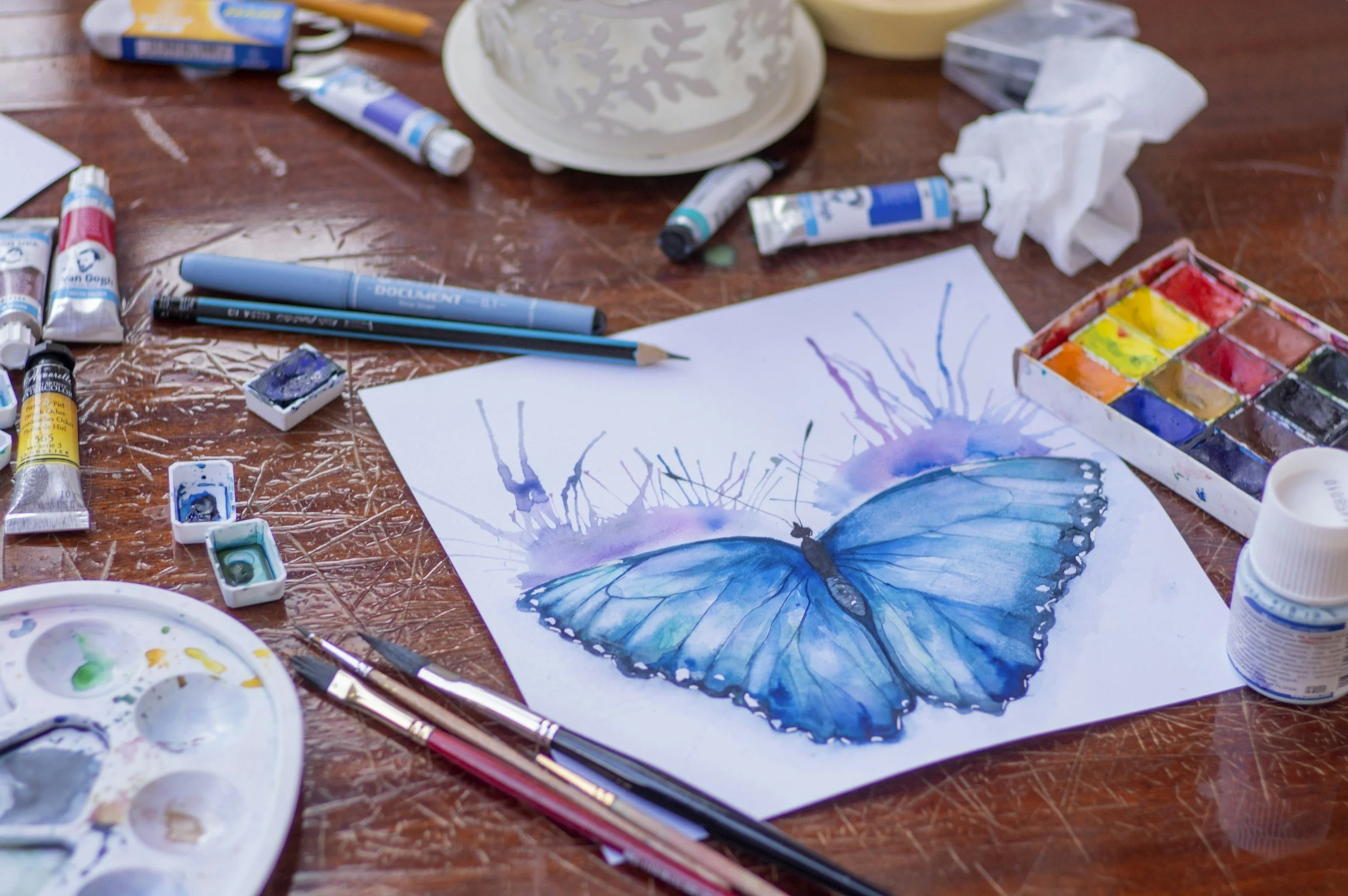
The NDIS understands that every person has their own needs, strengths and ways of engaging with support. There’s no one-size-fits-all approach - and that’s why the confirmation that art therapy will continue to be funded is such welcome news.
For many people, creative therapies offer far more than a pastime; they can open doors to emotional expression, connection, skill-building and overall wellbeing.
What’s changing?
• New price cap: From 24 November 2025, art therapists will be able to charge up to $156.16 per hour, which brings the rate in line with counselling. Until that date, the current cap of $193.99 still applies.
• Qualification requirements: To charge the new rate, art therapists will need to be registered with an approved professional association. This helps ensure you receive safe, high-quality therapeutic support.
• Evidence needed: Funding can be included when there is clear evidence that art therapy will help you work toward your goals.
• Therapy, not recreation: NDIS funds can’t be used for general art classes or craft supplies. Funding must be tied to therapeutic work provided by a qualified practitioner.
What’s staying the same?
• Art therapy remains eligible under the NDIS. If it’s already part of your plan, you can keep using it.
• Goals still guide funding. Your plan needs to show that art therapy is directly contributing to outcomes such as improved daily living, emotional wellbeing or other functional goals.
Could art therapy be a good fit?
Art therapy uses creative processes to help people express feelings, build resilience and develop new skills. It may be particularly helpful for:
• Children or adults on the autism spectrum who prefer non-verbal ways of communicating.
• People experiencing anxiety, depression or trauma who benefit from a calm, expressive outlet.
• Individuals with neurological conditions or brain injuries who want to support cognition, coordination, memory or confidence.
Everyone responds differently, so if creating art helps you feel more regulated, confident or supported in reaching your goals, it could be worth considering.
How to include art therapy in your NDIS plan
Review your current budgets. Supports like art therapy are usually funded under Improved Daily Living or Improved Health & Wellbeing.
Collect evidence. Ask allied health professionals — such as psychologists or occupational therapists — for written reports or letters that show how art therapy relates to your goals and any progress you’ve made.
Discuss it at your plan review. Explain to your Planner or Support Coordinator how art therapy supports your goals, why you believe it will help and how many sessions you’re seeking.
Find a qualified therapist. Choose an art therapist registered with a recognised professional body. If you live regionally or remotely, ask whether telehealth options are available.